There’s a unique magic in capturing the world’s vast, breathtaking landscapes through your camera lens. Whether you’re chasing golden hour light or framing sweeping mountain vistas, each shot tells a story of nature’s grandeur and your creative vision.
1. Embrace the Golden and Blue Hours
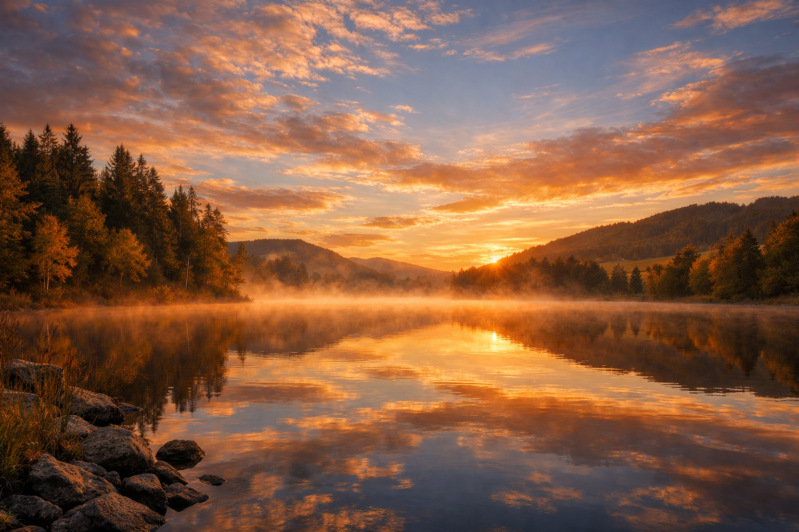
The quality of light can transform an ordinary landscape into something extraordinary. The golden hour—shortly after sunrise and before sunset—bathes your scene in warm, soft light that enhances textures and colors. The blue hour, just before sunrise or after sunset, offers cool, moody tones perfect for atmospheric shots. Plan your shoots around these magical times to add depth and emotion to your photos.
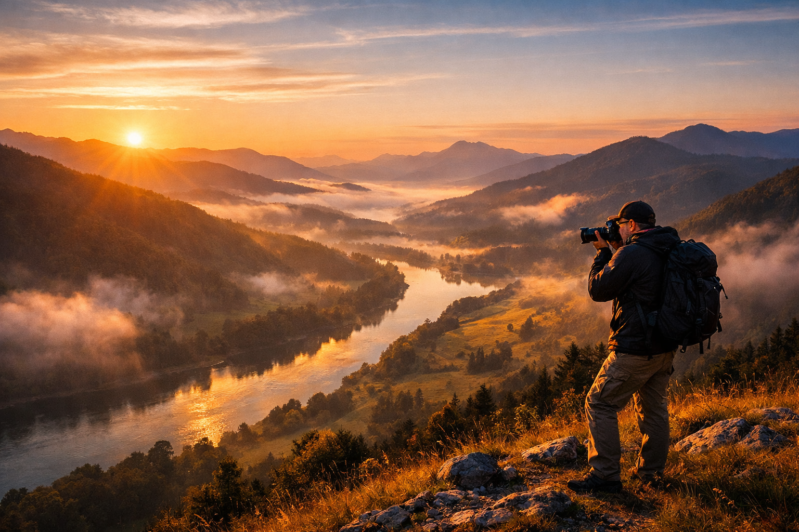
Golden sunrise casts warm light over a peaceful lake, reflecting vibrant clouds and mist among forested hills.
2. Scout Your Location in Advance
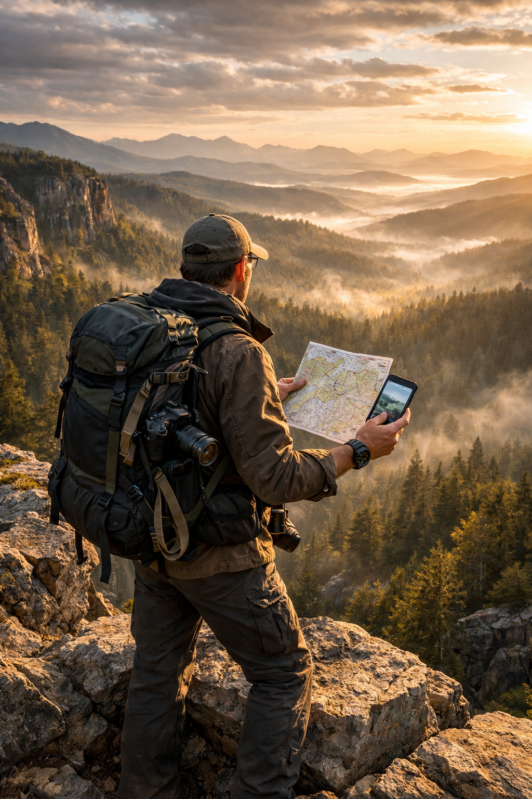
Great photos rarely happen by chance. Spend time exploring your location before you shoot. Use apps, maps, or visits to understand the terrain, lighting angles, and potential vantage points. Knowing where to position yourself gives you a creative edge and helps you anticipate that perfect moment.
A hiker investigates his route with a map and phone while enjoying a scenic sunrise view of misty mountains.
3. Use Leading Lines to Guide the Eye
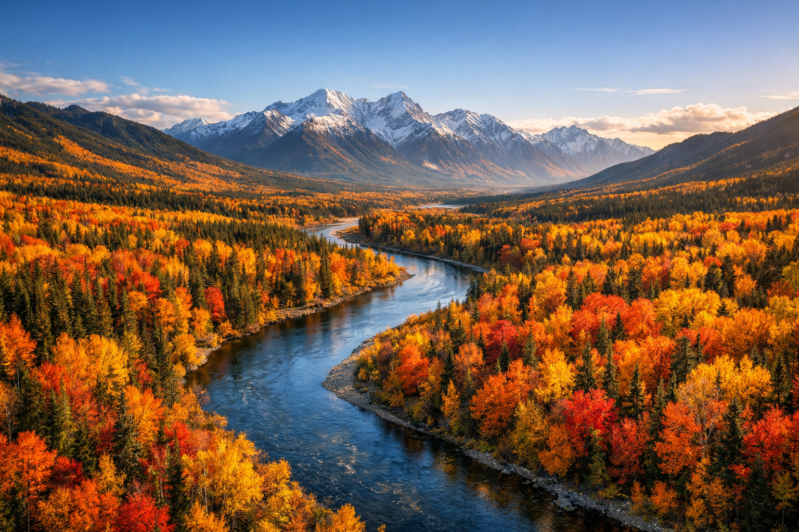
Leading lines are natural or man-made elements in the scene that draw the viewer’s eye through the photo. Roads, rivers, fences, or tree lines can create a visual path, adding depth and interest. Look for these lines and position yourself so they lead toward your main subject or horizon.
A breathtaking autumn landscape with colorful foliage along a river beneath snow-topped mountains.
4. Play with Foreground Interest
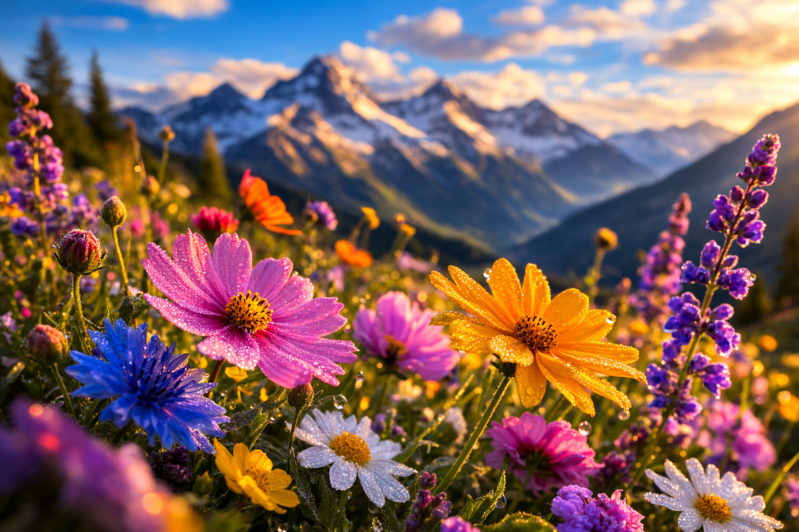
Adding elements in the foreground—like rocks, flowers, or fallen leaves—creates layers and gives your images a sense of depth. It invites viewers to step into the scene rather than just glance at it. Experiment with low angles to highlight these details against expansive backgrounds.
A gorgeous meadow of dewy wildflowers glows warmly at sunrise with towering alpine peaks in the distance.
5. Master the Art of Composition
Composition is your creative playground. Use rules like the Rule of Thirds to balance elements, but don’t be afraid to break the rules. Symmetry, framing with natural elements, and negative space can all evoke different moods. Let your intuition guide you to craft images that resonate emotionally.
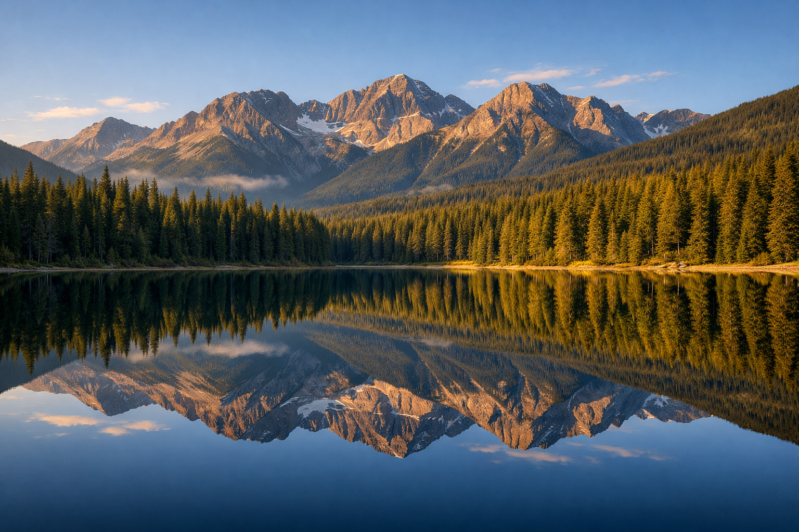
Peaceful mountain and pine forest scene mirrored perfectly on the still lake water during golden hour.
6. Capture Movement for Dynamic Shots
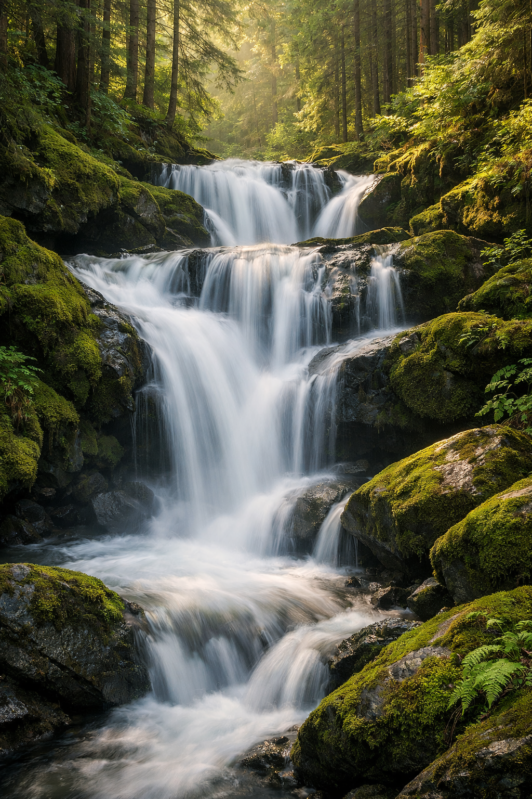
Movement breathes life into landscapes. Use slower shutter speeds to blur flowing water, swaying grass, or drifting clouds, creating dreamy, painterly effects. Conversely, freezing motion can highlight the power of crashing waves or flying birds. Experiment to find the mood you want to portray.
A peaceful waterfall cascading down mossy rocks in a sunlit forest setting.
7. Use Filters to Enhance Natural Beauty
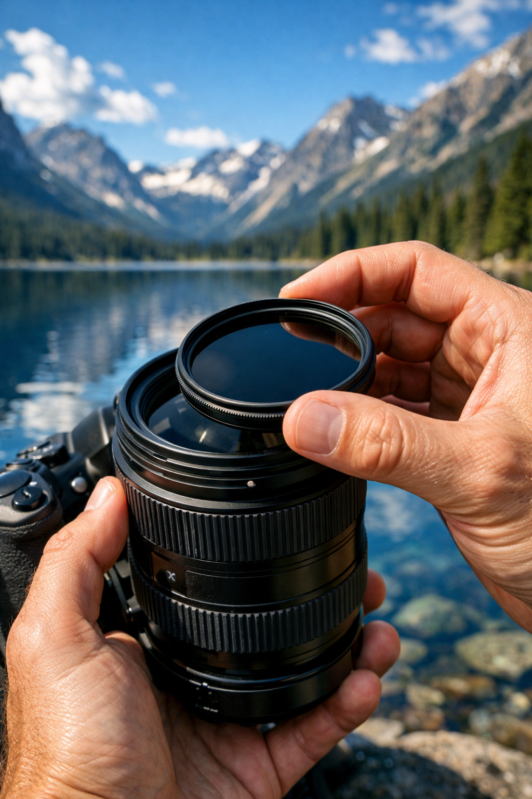
Filters like polarizers reduce glare and deepen blue skies, while neutral density filters let you slow shutter speeds in bright light. These tools help you better control exposure and color, making your landscapes pop without heavy editing. Invest in quality filters and learn how to use them creatively.
Close-up of hands placing a lens filter onto a camera outdoors with scenic mountains and lake behind.
8. Focus on Details, Not Just Wide Views
While epic vistas are captivating, don’t overlook intimate details. Textures of bark, patterns of leaves, or droplets on a spiderweb tell stories within the landscape. These close-up shots add variety to your portfolio and reveal nature’s delicate beauty.
A delicate spider web glistening with morning dew drops in gentle sunlight.
9. Experiment with Different Perspectives
Changing your viewpoint can reveal fresh compositions. Try shooting from ground level, climbing higher, or framing scenes through natural frames like tree branches or rock arches. This playful exploration sparks creativity and helps avoid cliché shots.
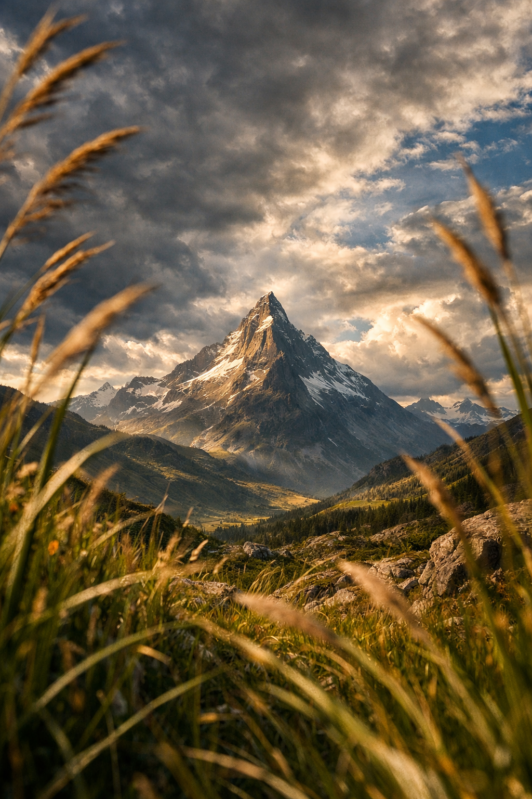
Golden light bathes a majestic mountain amidst dramatic clouds and foreground grasses at sunset.
10. Include the Sky to Add Drama
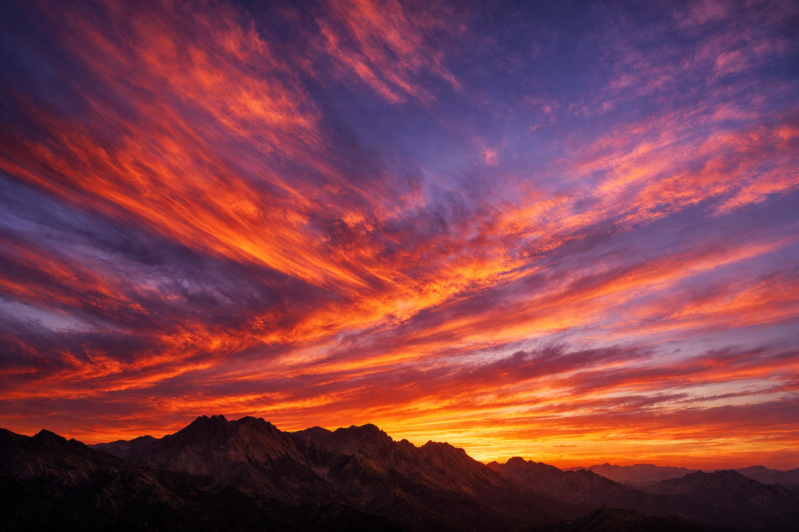
The sky can make or break a landscape photo. Dramatic clouds, colorful sunsets, or starry nights provide mood and context. When the sky is dull, consider cropping tighter or emphasizing foreground elements. But when it’s spectacular, let it fill a large part of your frame for maximum impact.
Fiery sunset clouds cast a warm glow over a mountainous horizon at dusk.
11. Keep Your Gear Simple and Portable
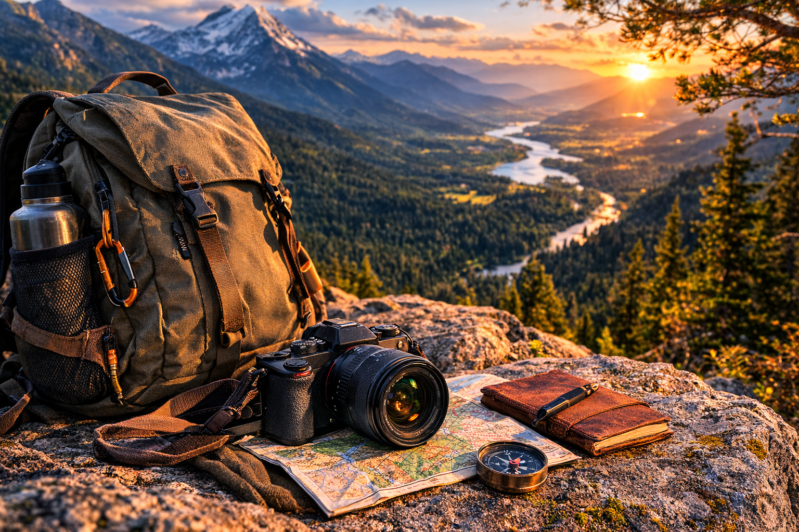
Heavy gear can weigh you down and distract from the creative process. Choose versatile lenses and lightweight equipment that let you move freely. Being comfortable in the field allows you to find unique angles and shoot spontaneously when the light changes.
Outdoor adventure setup with camera, map, compass, and backpack capturing a stunning sunset mountain view.
12. Be Patient and Respect Nature’s Pace
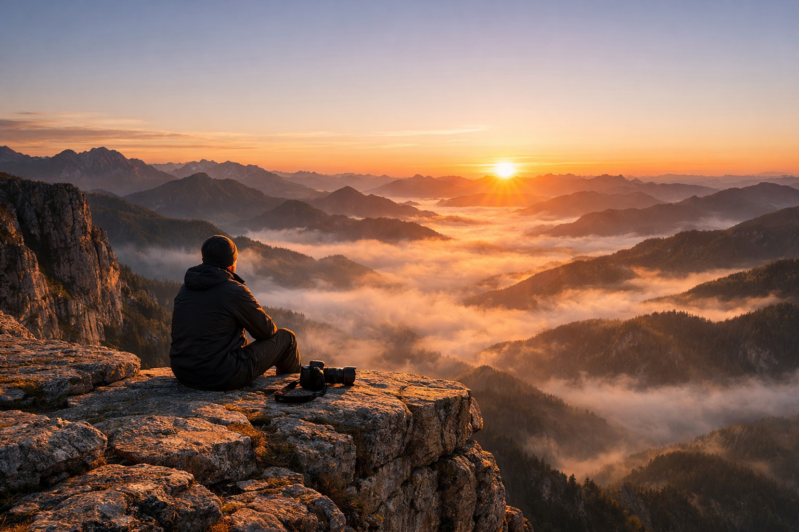
Landscape photography rewards patience. Sometimes waiting for the perfect light, a break in clouds, or a shift in weather leads to magic moments. Embrace the slow rhythm of nature and enjoy the experience beyond just capturing images.
A lone hiker watches a spectacular sunrise over mist-filled mountain valleys, capturing a moment of natural beauty.
13. Use Post-Processing to Enhance, Not Overwhelm
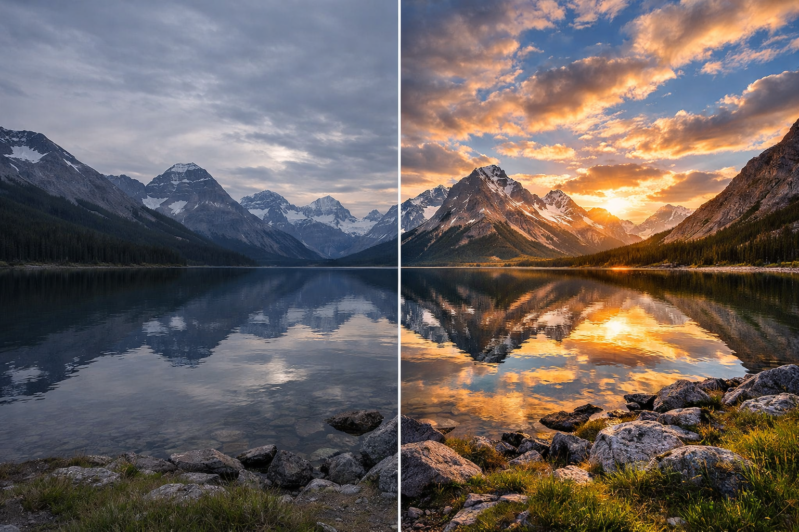
Editing is where your vision comes alive, but subtlety is key. Enhance colors, contrast, and sharpness to reflect what you saw and felt, rather than creating unrealistic effects. Keep your edits natural to maintain the authenticity of your landscapes.
Comparison of a serene mountain lake scene under cloudy sky and vivid sunset lighting.
14. Tell a Story Through Your Images
Great landscape photos evoke emotion and invite viewers to imagine themselves there. Think about the story you want to tell—whether it’s tranquility, adventure, or awe—and compose your shots to convey that feeling. Your passion shines through when your images connect on a deeper level.
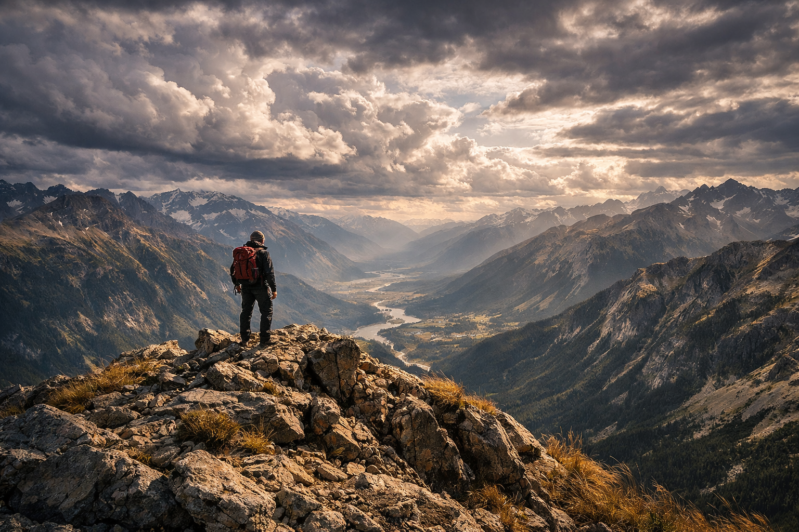
A hiker surveys a stunning mountainous valley landscape beneath dramatic clouds.
15. Keep Exploring and Stay Inspired
Nature’s beauty is endless, and your creative journey never truly ends. Keep exploring new places, trying fresh techniques, and seeking inspiration from fellow photographers and artists. Every click is a step toward mastering your craft and capturing landscapes that inspire others.
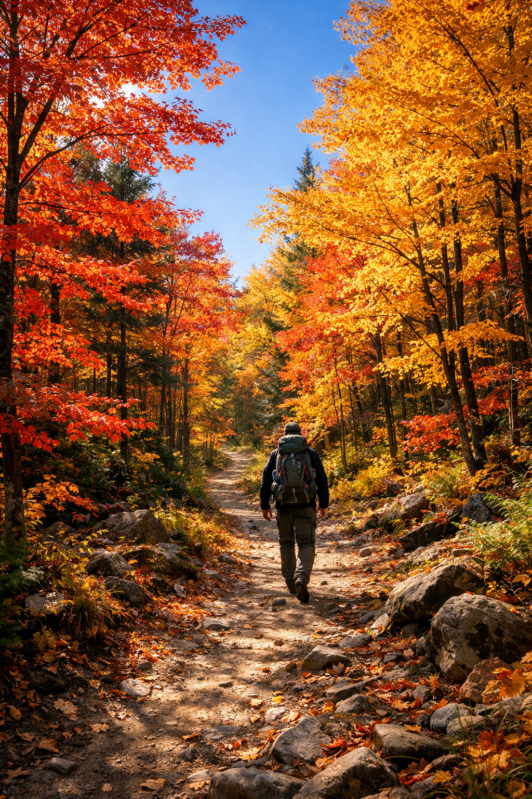
A lone hiker explores a colorful forest trail on a crisp autumn day.
Wrapping Up
Landscape photography is as much about patience and vision as it is about technical skill. By embracing light, composition, and your creative instincts, you can capture images that resonate deeply and inspire awe. So grab your camera, step outside, and let the natural world guide your next breathtaking shot.