
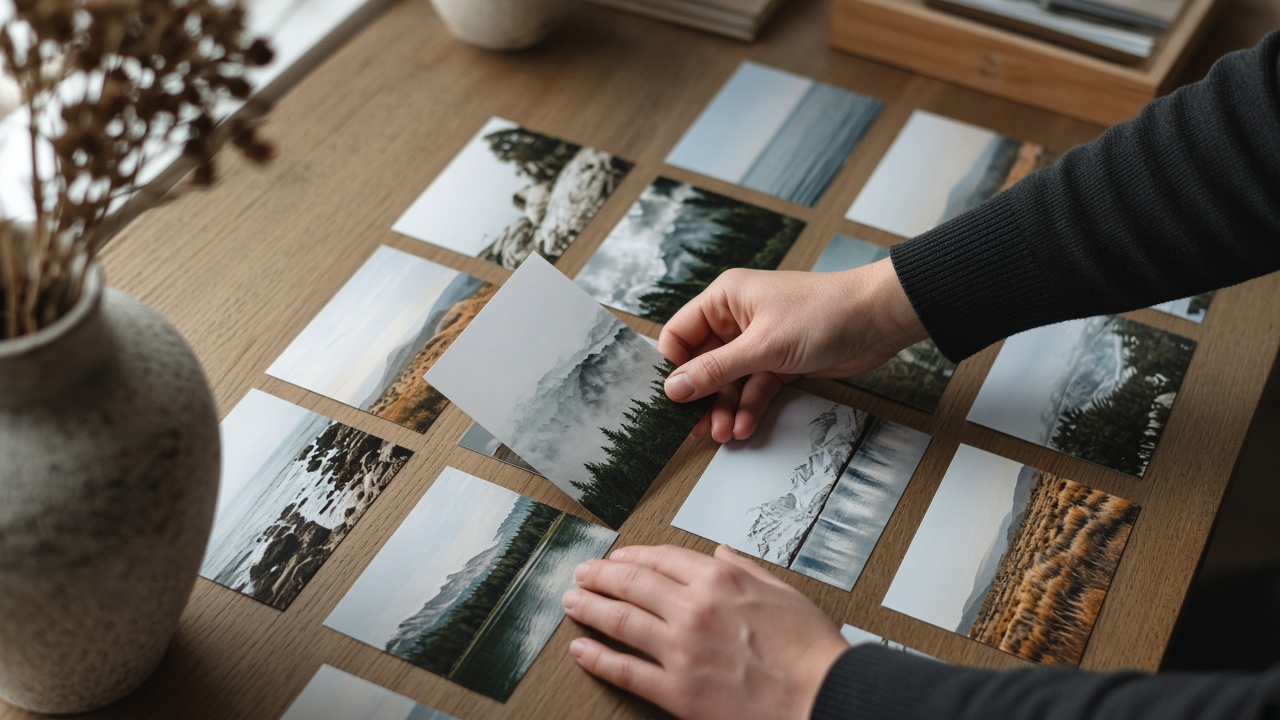
AI image sites fail when they publish everything and explain nothing. SyntVision’s approach is different: curation, usable product pages, and tools that help you finish files. This article explains how we think about quality, why that matters to creators, and how you can browse with the same standards.
What “curation” means here
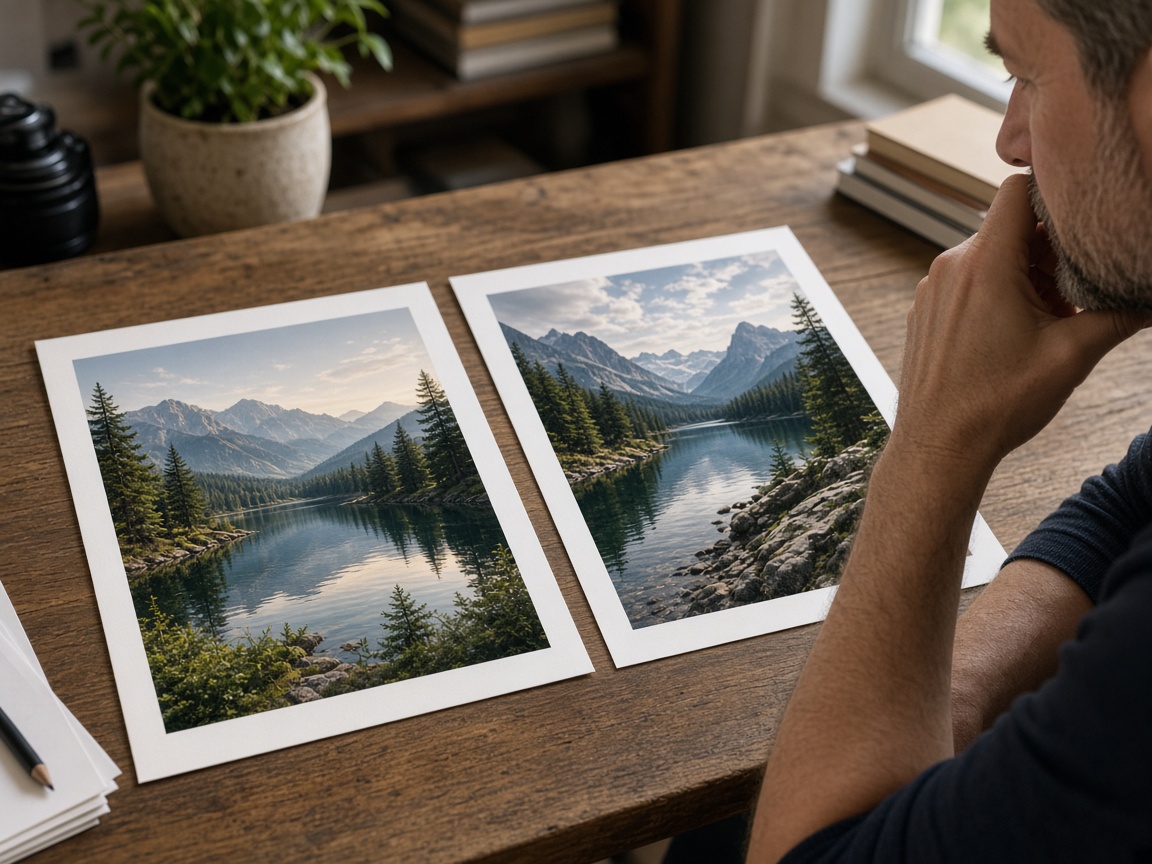
Curation is not a claim that every image is a museum piece. It means we prefer frames with a clear subject, workable composition, and a plausible use case — social, print, education, seasonal campaigns — over endless near-duplicates that only exist to inflate counts.
Signals we care about
- Readable subject at thumbnail size
- Space for text when the category implies marketing use
- Fewer broken artifacts in obvious focal areas
- Category placement that helps discovery
- License notes presented on the product page
What we try to avoid
- Thin pages with no human-useful context
- Encouraging redistribution of originals as competing stock
- Tools that look impressive in demos but never export
- Hiding plan limits until after frustration
How creators can curate their own Library
Apply the same standards privately. Keep strong masters, delete weak experiments, and prefer one excellent seasonal graphic over twelve mediocre ones. Your future campaigns will thank you, and your storage meter will too.
Why this matters beyond aesthetics
People and platforms reward sites that help users accomplish tasks. Clear Editor workflows, FAQ, licenses, and guides are part of product quality — not extras. If something on SyntVision confuses you, tell us via Contact; clarity is a feature.
How to use this on SyntVision
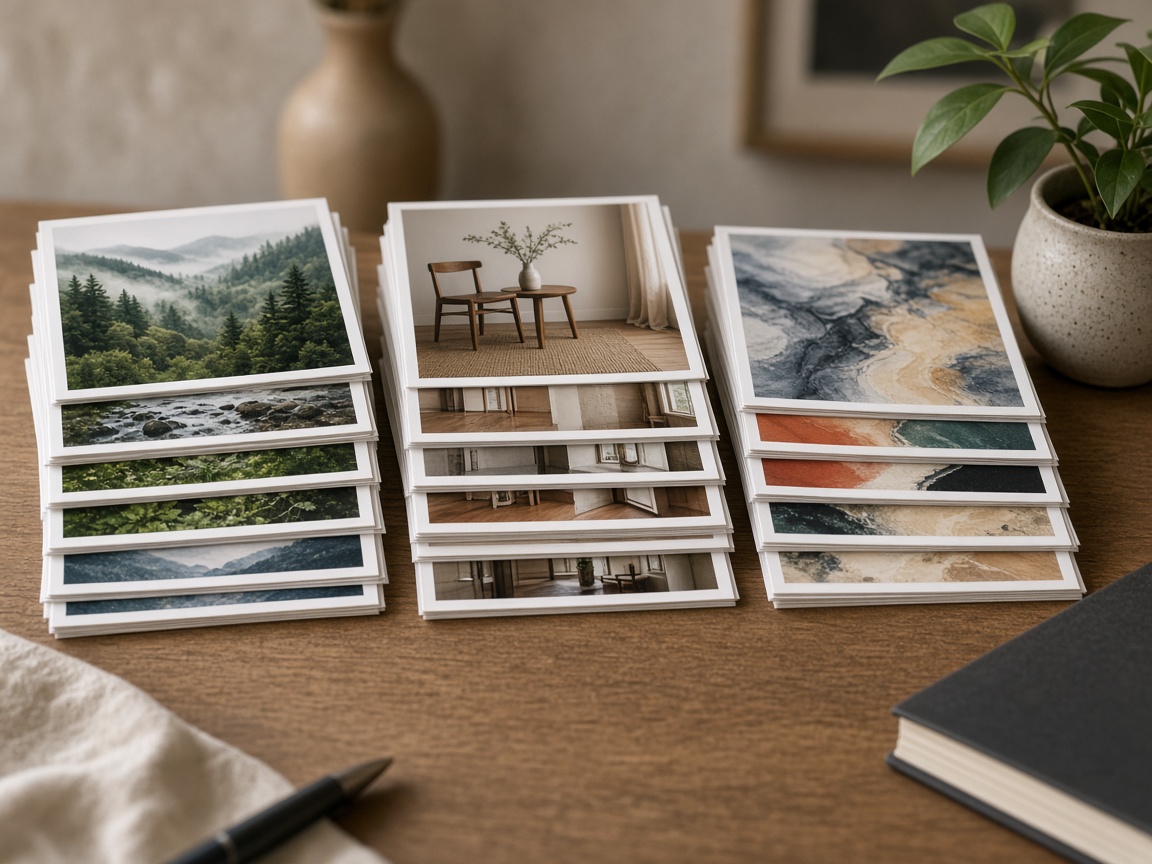
Browse Gallery with a use case in mind, finish in the Editor, and keep only strong results in Library. Read Blog guides when you need deeper workflow help.
Quality is a loop: better inputs, better edits, better archives. Curation is how that loop stays healthy at catalog scale and at personal scale.
If you publish tutorials featuring SyntVision assets, show your real crop and type choices. Honest process builds more trust than inflated promises about one-click magic.
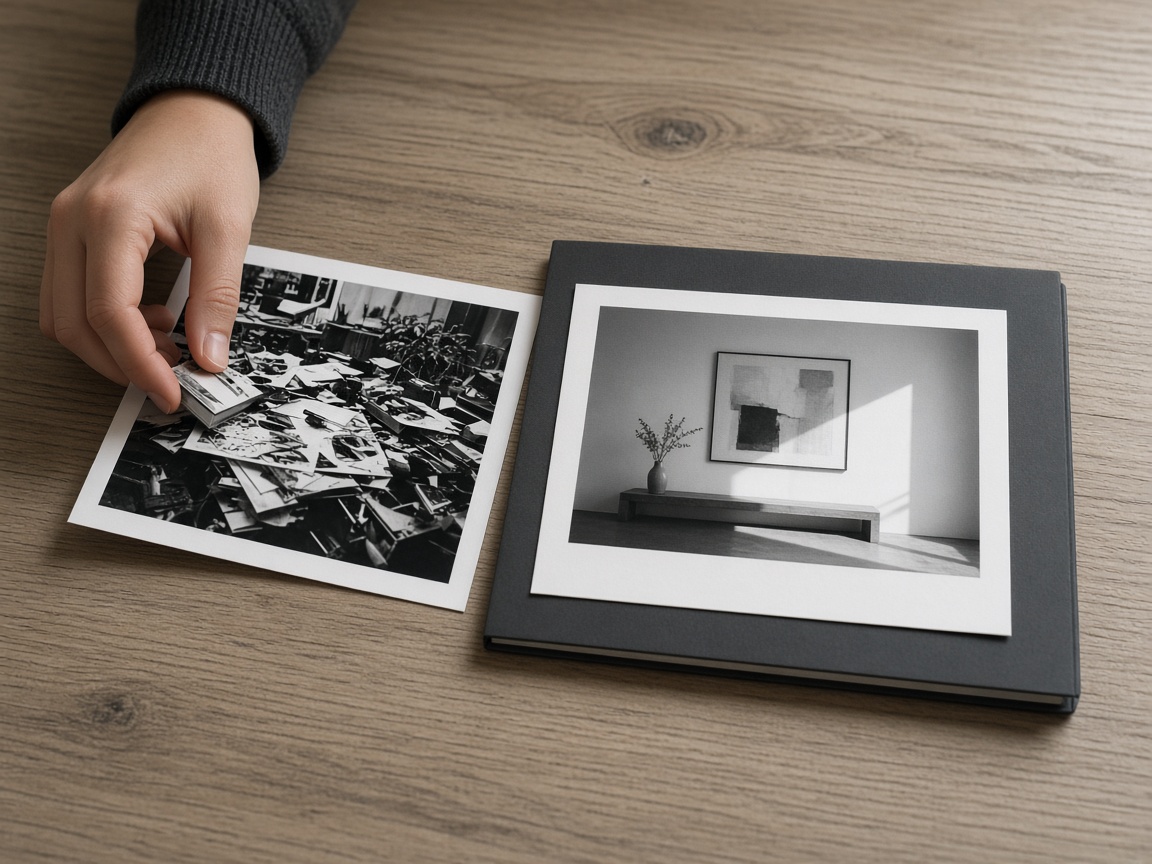
We will keep shipping practical articles alongside product improvements. Algorithms notice usefulness; humans notice it first.
Thank you for preferring intentional creative work over noise.
Deeper practice notes
Great creative systems are boring on purpose. You repeat a short checklist until it becomes muscle memory: choose with intent, crop for the real placement, add as little decoration as needed, save a master, export a child file, confirm rights, publish, measure one metric, tidy Library. Whenever a step feels glamorous but unclear, return to that checklist.
Most failed projects skip selection. They grab the first colorful thumbnail, then try to invent margins that do not exist. Spend an extra minute in Gallery. The catalog is large enough that a better composition is usually a scroll away. Your Editor time should refine a good choice, not rescue a bad one.
Write the audience and the offer in plain language before you touch type tools. If you cannot say the message in one breath, the image will not say it either. Complexity belongs on the landing page. The creative’s job is recognition and clarity at a glance, especially on mobile data connections and small screens.
When you collaborate, document the product URL, the Library master name, and the export names used in ads or print. That tiny text file prevents legal and operational confusion later. If a platform asks where an asset came from, you answer in seconds instead of reconstructing history from memory.
Finally, protect your future self. Delete failed experiments. Keep masters without burned-in dates when you expect reuse. Review storage monthly. Upgrade plans because of evidence, not anxiety. SyntVision works best as a calm loop — Gallery, Editor, Library, publish — repeated with care.
Teaching taste without gatekeeping
Curation should help beginners succeed, not shame them. Show why a cleaner subject reads better at thumbnail size. Show why margins matter. When users understand the “why,” they make better Gallery choices without needing a designer on call.
We publish guides for the same reason: transferable judgment. Tools change; judgment compounds.
Return to the core loop whenever you feel stuck: browse Gallery with a job in mind, refine in Editor, archive masters in Library, confirm licenses, publish with restraint, and tidy files afterward. Repeating that loop with care will outperform any single “secret” setting inside an editing tool.
Additional practical reminder 1: slow down at selection, speed up at export naming, and never skip the license line because you are in a hurry. Hasty rights mistakes cost more than an extra minute of reading.
Additional practical reminder 2: slow down at selection, speed up at export naming, and never skip the license line because you are in a hurry. Hasty rights mistakes cost more than an extra minute of reading.
Additional practical reminder 3: slow down at selection, speed up at export naming, and never skip the license line because you are in a hurry. Hasty rights mistakes cost more than an extra minute of reading.
Additional practical reminder 4: slow down at selection, speed up at export naming, and never skip the license line because you are in a hurry. Hasty rights mistakes cost more than an extra minute of reading.
Additional practical reminder 5: slow down at selection, speed up at export naming, and never skip the license line because you are in a hurry. Hasty rights mistakes cost more than an extra minute of reading.
Use this guide as a living checklist. Revisit it after your next real project, note where you skipped a step, and adjust your habits. Small process improvements compound across every future export you make on SyntVision.
If you share feedback about confusing UI copy or license language, you help us make the product clearer for everyone. Practical questions from real creators shape better documentation than guesswork alone.
Use this guide as a living checklist after each project. Note friction, fix the habit, and keep shipping finished work. Clear process beats frantic tooling every time you create on SyntVision.
Prefer one excellent export over five almost-finished drafts. Library space, attention, and campaign budgets all reward decisive finishing.