
YouTube thumbnails decide clicks faster than titles for many channels. You do not always have a perfect freeze-frame from footage; Gallery stills can stand in for talking-head episodes, listicles, and mood pieces when you crop and type aggressively in Editor. This guide covers 16:9 composition, expression, contrast, and file export habits.
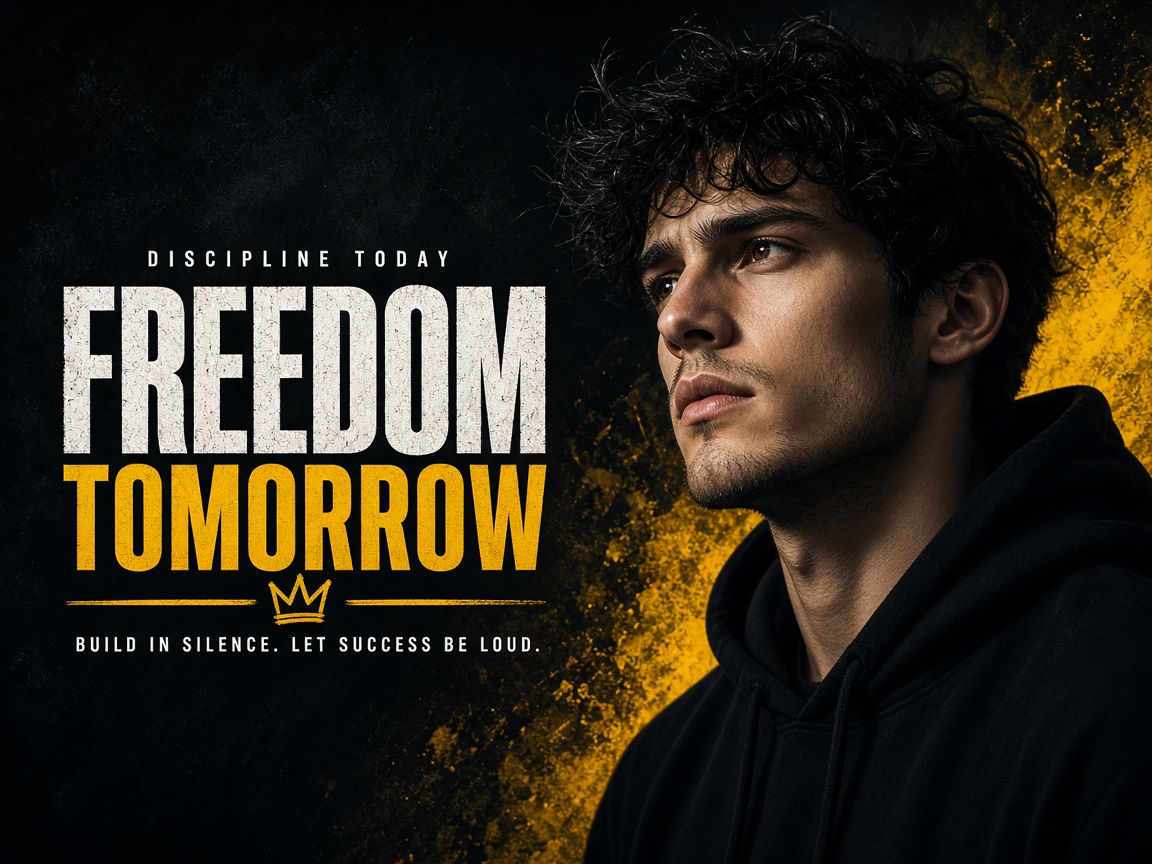
16:9 composition rules
Target 1280×720 minimum; many creators export 1920×1080.
Keep critical elements inside central safe area; TV and mobile crops differ slightly.
Choosing expressive Gallery stills
Search Gallery for clear emotions, single subjects, and strong directional light.

Avoid busy crowds unless faces remain legible at 120 px height.
Text on thumbnails
Two to four words win.
Thick sans-serif, high contrast, subtle shadow or outline only if needed.

Never duplicate the exact title verbatim unless strategy calls for it—complement instead.
- Test legibility at 10% zoom
- Avoid red-on-red near YouTube brand red unless intentional
- Save editable master without text for A/B tests
A/B testing discipline
Duplicate Library masters, change one variable—color, face crop, or word.
Track CTR in YouTube Studio; note which Gallery moods correlate.
Consistency for series
Podcast episodes benefit from recurring layout: same font, shifting background.
Batch ten thumbnails in one Editor session.
Rights for monetized channels
Monetized videos using Gallery art for commercial thumbnails require appropriate licenses.
Keep product URLs in a channel ops doc.
How to use this on SyntVision
Browse matching visuals in the SyntVision Gallery, open a favorite image in the SyntVision Editor to crop, add text, or export, and keep private edits in your account Library. Check each product page for license details before commercial use.
Export PNG when sharp edges matter; JPG when file size is tight. Both live fine in Library with version tags.
Emotion beats perfection
Gallery stills with genuine surprise, focus, or delight outperform technically perfect flat scenes in many niches. Choose expression first, polish second.
Series numbering
For episodic content, add a small consistent episode badge in Editor so subscribers recognize format in subscription grids. Keep badge placement identical week to week.
Collaboration thumbnails
Split-frame layouts with two creators need balanced crop on both faces at small size. Test at phone scale before publish; uneven splits look like mistakes even when intentional.
Deeper practice notes
Great creative systems are boring on purpose. You repeat a short checklist until it becomes muscle memory: choose with intent, crop for the real placement, add as little decoration as needed, save a master, export a child file, confirm rights, publish, measure one metric, tidy Library. Whenever a step feels glamorous but unclear, return to that checklist.
Most failed projects skip selection. They grab the first colorful thumbnail, then try to invent margins that do not exist. Spend an extra minute in Gallery. The catalog is large enough that a better composition is usually a scroll away. Your Editor time should refine a good choice, not rescue a bad one.
Write the audience and the offer in plain language before you touch type tools. If you cannot say the message in one breath, the image will not say it either. Complexity belongs on the landing page. The creative’s job is recognition and clarity at a glance, especially on mobile data connections and small screens.
When you collaborate, document the product URL, the Library master name, and the export names used in ads or print. That tiny text file prevents legal and operational confusion later. If a platform asks where an asset came from, you answer in seconds instead of reconstructing history from memory.
Finally, protect your future self. Delete failed experiments. Keep masters without burned-in dates when you expect reuse. Review storage monthly. Upgrade plans because of evidence, not anxiety. SyntVision works best as a calm loop — Gallery, Editor, Library, publish — repeated with care.
Pre-publish checklist for this workflow
Re-read your brief for “YouTube Thumbnails from Gallery Stills” and confirm the export matches the channel you named—not a convenient ratio that happened to be open in Editor.
Open Gallery only when the current Library master cannot be cropped or typed into shape; swapping backgrounds mid-campaign breaks audience recognition.
Store the approved file in Library with campaign or event names before uploading to schedulers, email tools, or print vendors.
If results disappoint, test headline or audience changes before assuming the background failed—many creatives underperform for copy reasons while the Gallery pick was sound.
Documentation habits
Note the Gallery product URL, export date, and designer initials in a one-line readme. Months later, that line answers licensing and reprint questions without guessing.
When collaborators ask which asset supplied a background, answer from filenames and notes, not memory. Handoffs stay calm when evidence is obvious.
Storage and plan reality
Variant exports accumulate quickly when one master feeds several ratios. Review Library monthly, delete failed drafts, and open billing only when storage trends justify a change—not every single export.
Upgrade plans because of measured need: recurring batch work, client volume, or retained masters—not because one busy week created temporary clutter you can prune.
Return to the core loop whenever you feel stuck: browse Gallery with a job in mind, refine in Editor, archive masters in Library, confirm licenses, publish with restraint, and tidy files afterward. Repeating that loop with care will outperform any single trick inside an editing tool.
Use this guide as a living checklist. Revisit it after your next real project, note where you skipped a step, and adjust your habits. Small process improvements compound across every future export you make on SyntVision.